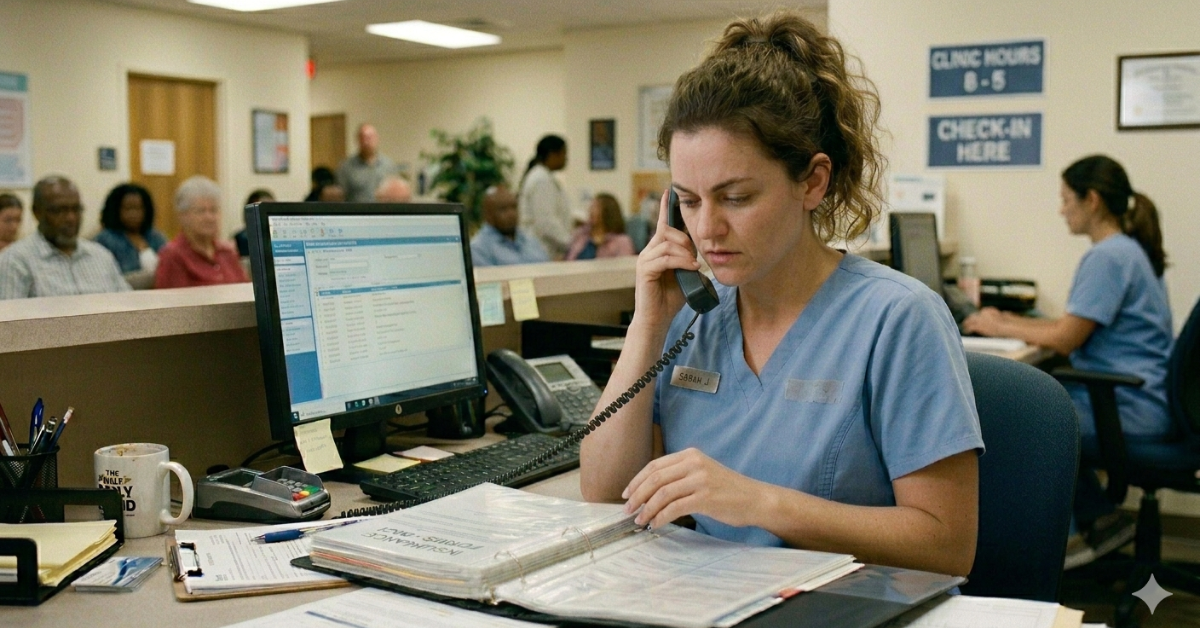
As patient scheduling becomes more complex, it also expands far beyond the initial booking. It spans rescheduling, cancellations, follow-ups, and more, all happening across the phone, web, and internal systems. These activities happen continuously, not just a single point in time.
Because of this, scheduling becomes an ongoing process where each interaction adds another layer of coordination, requiring information to be checked, updated, or carried across channels and systems to maintain consistency.
Over time, this creates a workflow that depends on staff to keep everything aligned. The volume of touchpoints and decisions increases cognitive load, making the scheduling process harder to sustain as complexity grows.
Why Healthcare Organizations Are Replacing Manual Scheduling
Manual scheduling requires staff to stay involved across the entire scheduling process. Booking, appointment changes, availability questions, and coordination across providers and locations are handled through a combination of phone calls, internal notes, and reference materials. Staff rely on binders, post-it notes, and experience to determine how appointments should be handled, often switching between systems to keep schedules accurate.
As scheduling activity increases, that workload compounds. Each interaction requires time to check details, confirm availability, and ensure the right decisions are made. According to a 2025 Deloitte study, scheduling and front-end tasks consume a significant portion of staff time, with automation capable of saving up to 47% of that effort. What appears to be a single task becomes a continuous stream of manual work that requires coordination throughout the day.
That level of dependency does not just create operational strain. It also limits access to care for patients. When scheduling depends on office or staff availability and manual coordination, it becomes harder to respond quickly, keep schedules up to date, and support demand across channels. This is driving a growing demand for automation, not just to reduce effort, but to remove the constraints that manual scheduling places on patient access.
Healthcare organizations are replacing manual scheduling processes because they cannot keep up with the scale and expectations of modern access. The shift toward solutions that can handle scheduling directly, reduce reliance on office or staff availability, and make access more consistent and responsive.
Summary
- Manual scheduling in healthcare requires continuous staff involvement, with teams responsible for booking, appointment changes, and coordinating across systems to keep schedules full and accurate.
- Most scheduling tools solve a specific part of the process, such as patient access, engagement, or call handling, rather than managing scheduling end-to-end.
- Online scheduling tools improve patient access, allowing appointments to be booked digitally, but still require coordination to maintain accuracy across providers, locations, and systems.
- Voice AI and chatbots automate scheduling interactions, such as handling inbound requests, but depend on how scheduling is executed behind the scenes to ensure correctness.
- Using multiple scheduling tools often creates disconnected workflows, requiring staff to coordinate across systems to keep scheduling aligned and up to date.
- Comprehensive scheduling platforms manage scheduling end-to-end within a single system, reducing manual coordination and allowing healthcare organizations to support patient access more consistently and at scale.
What Are the Top Alternatives to Manual Scheduling?
The current market offers a wide range of solutions aimed at improving how scheduling is handled in healthcare. These tools address different parts of the process, from how patients initiate scheduling to how scheduling interactions are managed across channels.
In practice, many organizations adopt individual tools to cover these needs. While each category can improve a specific part of the process, this approach often introduces new complexity by spreading scheduling workflows across disconnected systems. Understanding how these categories differ is key to evaluating what reduces reliance on manual scheduling and what simply shifts the work elsewhere.
Basic Online Scheduling Tools
What it is: Web-based tools that allow patients to book appointments through a portal or website, typically by selecting from available time slots.
Best for:
- Simple appointment types
- Organizations looking to offer digital self-scheduling
- Reducing the need for phone-based booking
How it addresses manual scheduling: Moves the initial booking step from staff to the patient, providing a digital access point into the scheduling and reducing the need for manual involvement at the front end.
Voice AI for Patient Scheduling
What it is: AI-powered voice systems that handles inbound patient calls and automate scheduling-related interactions.
Best for:
- High call volume environments
- Automating routine scheduling calls like reschedules
- Extending access beyond business hours
How it addresses manual scheduling: Handles scheduling interactions over the phone without requiring a human agent, reducing the need for staff to manage routine inbound requests.
Chat and Digital Messaging Assistants
What it is: Chatbots and SMS-based tools that guide patients through scheduling-related interactions across web and mobile channels.
Best for:
- Digital-first patient engagement
- After-hours support
- Handling simple scheduling requests
How it addresses manual scheduling: Enables patients to initiate and complete scheduling actions through messaging channels, reducing reliance on phone-based interactions.
Call Routing and IVR Systems
What it is: Phone systems that route calls or direct patients to appropriate departments or self-service options.
Best for:
- Organizing inbound demand
- Directing calls to a particular destination
- Improving call flow management
How it addresses manual scheduling: Improves how scheduling-related calls are distributed, helping staff manage volume more efficiently.
EHR-Based Scheduling Modules
What it is: Scheduling functionality built directly into the electronic health record system.
Best for:
- Centralizing patient and scheduling data
- Internal staff scheduling workflows
- Organizations standardized into a single EHR
How it addresses manual scheduling: Provides a centralized system for managing schedules, helping standardize how appointments are created and maintained.
Rules-Based Scheduling Platforms
What it is: Systems that apply scheduling logic, such as provider preferences, availability, and location constraints consistently across channels.
Best for:
- Complex scheduling environments
- Multi-provider and multi-location organizations
- Standardizing workflows across phone, web, mobile, and more
How it addresses manual scheduling: Applies scheduling logic directly within the system, reducing the need for staff to interpret and manage scheduling decisions manually.
Comprehensive Access Platforms
What it is: A platform that unifies scheduling, engagement, and automation into a single system, applying consistent scheduling logic across the phone, web, mobile, and other channels.
Best for:
- Organizations looking to streamline patient access across all channels
- Complex scheduling environments with multiple providers and locations
- Standardizing and scaling scheduling workflows
How it addresses manual scheduling: Replaces fragmented workflows within a single system that handles scheduling interactions and applies scheduling logic consistently, reducing the need for staff to coordinate across multiple tools.
Which Solutions Actually Replace Manual Scheduling
Not all scheduling solutions are designed to replace manual scheduling. Many improve how scheduling is accessed or how interactions are handled, but still depend on staff to follow through, validate, or coordinate parts of the process.
Some tools move scheduling to digital channels, allowing patients to book without calling. Others automate conversations or help route requests more efficiently. These approaches reduce friction at specific points, but often leave the underlying scheduling process unchanged, requiring staff to step in to ensure accuracy.
Replacing manual scheduling requires a system that can manage scheduling end-to-end, apply scheduling logic consistently and handle interactions without relying on manual coordination across tools. The distinction is not between digital and manual, but between solutions that support the process and those that can execute it directly.
What Actually Helps Automate Patient Scheduling
Automating patient scheduling requires more than improving access or handling individual interactions. It requires a system that can manage scheduling as a continuous process, not a series of disconnected tasks. That means handling booking, appointment management, and coordination in a consistent way across channels.
At the core of this is the ability to apply scheduling logic directly within the system. Provider preferences, visit types, and chief complaints need to be executed consistently, regardless of how a patient engages. Without that consistency, scheduling still depends on staff to interpret and apply rules, even when tools are in place around it.
Automation becomes possible when scheduling interactions and logic are connected. When both are handled within the same system, the need for manual coordination is reduced, and scheduling can be managed more accurately at scale.
A More Unified, Automated Approach to Scheduling and Access
A more effective approach to scheduling brings scheduling logic, interactions, and access together within a single system.
This model reduces the need for coordination between systems and removes the dependency on staff to interpret and apply scheduling decisions. By connecting scheduling interactions with the logic behind them, organizations can manage scheduling more directly and maintain consistency as complexity and demand increase.
This is the model behind comprehensive access platforms like Relatient’s Dash®, where scheduling, engagement, and automation are connected into a single system that supports patient access across channels.
Common Questions About Replacing Manual Scheduling
Where does manual scheduling create the most strain?
Manual scheduling creates strain in areas that require coordination, such as handling changes, verifying availability, and keeping schedules aligned across systems. These tasks often require staff involvement at multiple points in the process.
What are the main alternatives to manual scheduling?
Alternatives include online scheduling tools, voice AI, chatbots, call routing systems, EHR-based scheduling, and comprehensive access platforms that connect scheduling workflows.
Can scheduling be fully automated in healthcare?
Scheduling can be automated when both interactions and scheduling logic are handled within the same system, reducing the need for staff to manage coordination or apply decisions manually.
What is the difference between online scheduling and scheduling automation?
Online scheduling allows patients to book appointments digitally, while scheduling automation handles the broader scheduling process, including applying logic, managing changes, and maintaining consistency across channels.
How does Relatient’s Dash® platform help replace manual scheduling?
Relatient’s Dash® platform connects scheduling, engagement, and automation into a comprehensive solution. By applying scheduling logic consistently and handling interactions across channels, it reduces the need for staff to coordinate scheduling manually.
What makes Dash® by Relatient different from other scheduling solutions?
Dash® is designed to manage scheduling as a continuous process rather than a set of disconnected tasks. By combining scheduling logic and interactions within one platform, it helps organizations reduce reliance on manual workflows and maintain consistency and accuracy across phone, web, mobile, and other channels.
Moving Beyond Manual Scheduling
Scheduling requires ongoing coordination to keep appointments accurate no matter how or where patients book care. As that process expands, the amount of manual effort required to support it becomes harder to sustain.
While many solutions improve specific parts of manual scheduling, not all are designed to replace it. The difference lies in how scheduling is handled, whether it still depends on staff to coordinate and interpret, or whether it can be executed consistently within a system.
Healthcare organizations are moving toward approaches that reduce reliance on manual workflows and support patient scheduling more directly. A more comprehensive approach to scheduling allows organizations to manage access and scheduling more consistently and respond to demand at scale.
Improve Access and Enhance Care with Relatient
Relatient is a healthcare technology company dedicated to improving patient access through intelligent, mobile-first solutions. Dash® by Relatient is a Best in KLAS intelligent patient access platform that integrates with leading EHRs and PM systems to automate scheduling, streamline patient communication, online chat, mobile payments, and digital intake. Trusted by over 50,000 providers and managing approximately 150 million appointments annually, Relatient helps healthcare organizations optimize workflows, reduce no-shows, and enhance the patient experience with modern, consumer-driven solutions.