How Complete Health Reduced No-Shows to 4.7% and Achieved 80% Provider Utilization with Centralized Scheduling
Download the Complete Health Case Study (PDF)

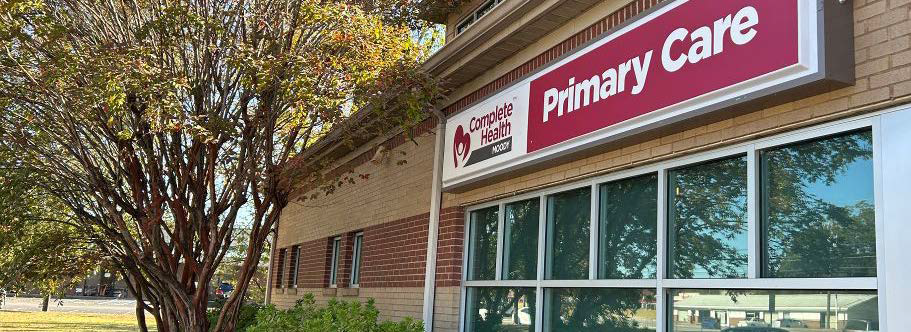
Primary Care
Providers: 185
Locations: 34
EHR: athenahealth
Key Results
- 4.7% no show rate
- 80% provider utilization
- 30% of self-schedule appointments seen in 3 days or less
- Reduced call times to under 3 minutes
- Scaled operations across 28+ locations
Why It Worked
- Automation reduced complexity from hundreds of provider rules
- Centralization improved operational efficiency at scale
- Self-service increased access and reduced friction
- Consistent scheduling logic improved care delivery alignment
The Challenge
As Complete Health scaled from 5 to 28+ locations, patient access became increasingly complex:
- High call volumes creating scheduling bottlenecks
- Over 150 provider preferences difficult to manage manually
- Front office staff overwhelmed with scheduling tasks
- Limited ability to deliver timely access to care
Result: Inefficiencies, delays in care, and strain on staff resources
How Complete Health Achieved These Results
1. Centralized Scheduling Operations
Complete Health moved scheduling out of individual offices into a centralized model:
- Reduced burden on front desk staff
- Standardized workflows across locations
- Improved consistency in scheduling decisions
2. Intelligent Scheduling Automation
Using rules-based scheduling:
- Automated complex provider preferences
- Ensured patients were matched with the right provider
- Eliminated manual tools like binders and workarounds
3. Patient Self-Scheduling
By enabling online scheduling:
- Patients could book appointments without calling
- Access expanded beyond traditional hours
- Demand was captured more efficiently
Summary for Healthcare Executives
Healthcare organizations can reduce no-show rates below 5% and achieve high provider utilization by centralizing scheduling operations and implementing intelligent self-scheduling. These strategies streamline workflows, improve access to care, and reduce administrative burden without increasing staff.
“We eliminated the need for schedulers to memorize 115 provider preferences by using Dash to automate those rules. This streamlined scheduling while maintaining the flexibility providers needed.”
– Erin Sandoval
Sr. Director of Support Services
Complete Health
The Relatient Difference
With the Dash scheduling solution in place, Complete Health experienced significant improvements in both operational efficiency and patient access. By centralizing, the organization reduced average call times to under three minutes, allowing staff to focus more on patient interactions. Additionally, 30% of self-scheduled appointments were seen within 1-3 days, significantly improving access to care for patients.
“Our motto is ‘patients first, always,’” Erin emphasized, “Intelligent scheduling ensures that if a patient can’t see their primary provider, they’re seamlessly connected with another care team member” This flexibility and efficiency helped Complete Health strengthen its value-based care model, ensuring that patients always received the right care at the right time.
Frequently Asked Questions
How can healthcare organizations reduce no-show rates?
Healthcare organizations can reduce no-show rates by implementing automated scheduling, reminders, and self-service tools that make it easier for patients to book and manage appointments. In this case, Complete Health achieved a 4.7% no-show rate through improved access and streamlined scheduling.
Does centralized scheduling improve provider utilization?
Yes. Centralized scheduling ensures that appointment slots are filled efficiently and patients are matched with the right provider. Complete Health achieved 80% provider utilization by standardizing scheduling across locations.
Can self-scheduling improve access to care?
Yes. Self-scheduling allows patients to book appointments quickly and conveniently, often outside of business hours. Complete Health saw 30% of self-scheduled patients seen within 3 days, improving access significantly.
How does intelligent scheduling work in healthcare?
Intelligent scheduling uses rules-based automation to match patients with the appropriate provider, appointment type, and location. This reduces errors, improves efficiency, and eliminates manual scheduling complexity.
What is patient access in healthcare?
Patient access refers to how easily patients can schedule and receive care. It includes appointment availability, scheduling tools, and communication channels that connect patients to providers.
Is centralized scheduling better than decentralized scheduling?
Centralized scheduling improves consistency, efficiency, and scalability by standardizing workflows and reducing reliance on individual staff knowledge, especially in multi-location healthcare organizations.